
Sumner County Pulse
Archives
"Developer-Led Tax Hike Sparks Fury in Sumner County TN"
SIGN UP FOR OUR NEWSLETTER
Mansfield Warns: Sumner County TN Developers Pushing Tax Hike to Fund Their Own Growth |
Commissioner Jeremy Mansfield accuses local developers of shifting financial burdens onto homeowners |
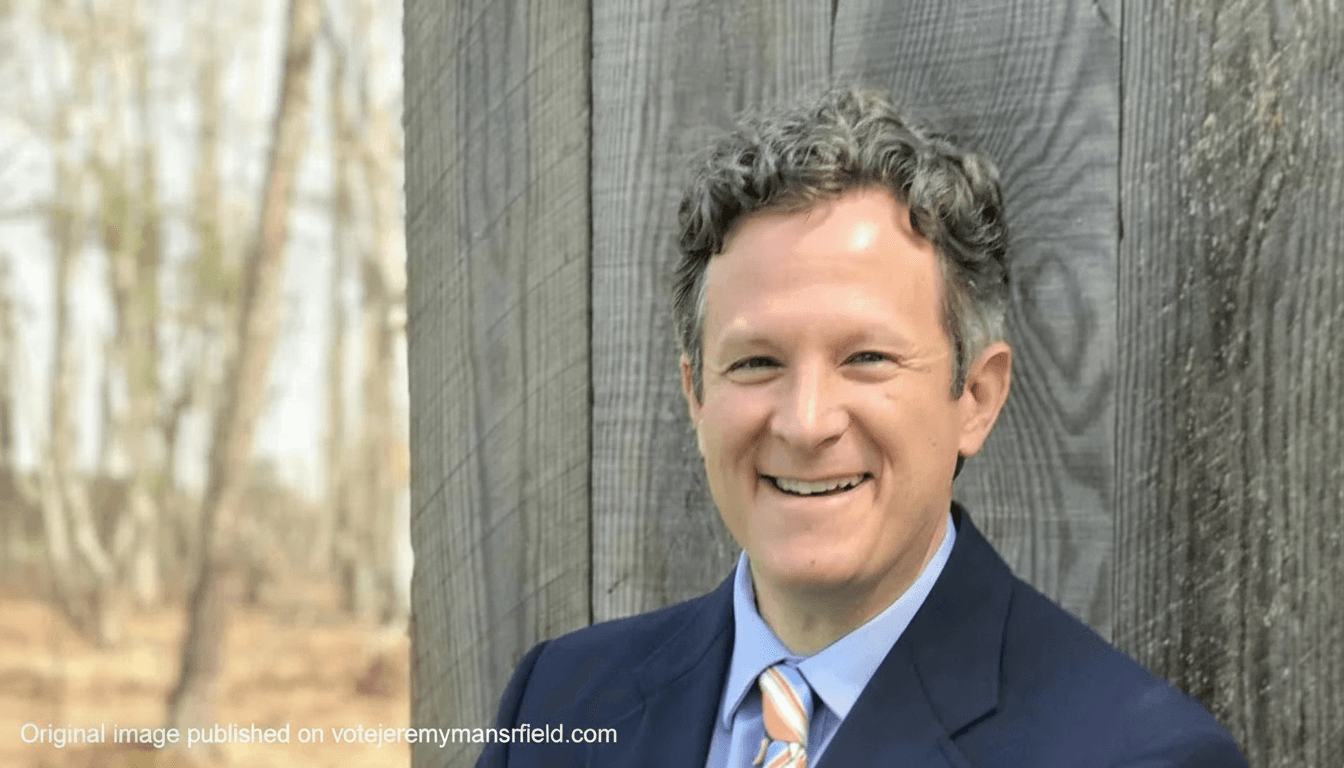 |
Sumner County Commissioner Jeremy Mansfield is again sounding alarms over what he calls an “unfair cost shift” in how growth is being paid for across Sumner County TN. In a recent Facebook post, he claimed that developers are lobbying to raise property taxes on existing homeowners rather than absorbing infrastructure costs tied to new construction.
In his post, shared with the community discussion group The Real Story – Sumner County, TN, Mansfield wrote simply: “Developers want to raise your property taxes to fund their growth.” But behind that short statement, he outlined a serious financial debate that has been brewing inside local government for months. A growing fight over who pays for growthThe issue centers on development impact fees and public infrastructure. As subdivisions spread into formerly rural areas, demands increase for new roads, water connections, and schools. Developers say they already pay substantial upfront costs through zoning and utility fees. Mansfield disagrees, arguing those payments fail to cover the long‑term costs of the traffic and strain new projects create.
He has repeatedly pushed for higher up‑front developer contributions rather than across‑the‑board property tax increases. “Homeowners shouldn’t be subsidizing the profits of builders,” he said in an earlier commission workshop. Minutes from December’s county budget discussions reflect that tension.
Several members of the finance committee warned that if housing starts continue at current rates, the county will need up to $15 million in additional infrastructure funding over the next two years. Without more impact revenue, they’ll have to find that money through general taxes, most likely property payments from current residents. The developer perspectiveLocal builders say the commissioner’s post oversimplifies a complex issue. They argue that county fees are already among the highest in Middle Tennessee and that further costs could discourage investment and increase housing prices.
One developer, speaking after last week’s planning meeting, said new projects already generate property tax growth once homes are sold. “We’ll pay our share, but someone has to build houses for the people moving here,” he said.
Still, that argument hasn’t eased public concern. Residents have voiced frustration at commission meetings about traffic congestion, school crowding, and what they perceive as “unchecked development.” Momentum behind impact reformMansfield and several allies on the commission are now drafting a new impact‑fee structure that would assign more of the upfront cost of infrastructure directly to developers. The plan, still in its early outline, would dedicate those fees exclusively to road projects, school expansion, and emergency services, not general operations.
According to preliminary county notes, the working concept includes a tiered system where fees scale based on subdivision size and proximity to existing infrastructure. Areas already served by utilities and roads would pay less. Projects in undeveloped areas, where new connections and roadwork are required, would pay more.
Supporters believe the approach would keep growth from draining county resources. Opponents worry it could stall construction just as housing demand climbs. Mansfield’s political calculationPolitically, this is a topic that fits neatly with Mansfield’s image as a fiscal watchdog. He has built a following among voters who see him as a barrier between everyday homeowners and special interests. Critics, though, accuse him of framing developers as villains in a debate that needs cooperation, not confrontation.
That tension is clear even among his fellow commissioners. Some privately agree with parts of his proposal but worry about alienating local builders who contribute to campaign fundraising and property tax growth.
Mansfield shows no sign of backing down. He has confirmed plans to present formal recommendations to the Finance Committee later this quarter, calling for “structural funding reform” before the next budget cycle. Why it mattersAt its core, the debate asks whether growth should pay for itself. Counties across the region face similar conflicts as population increases outpace infrastructure budgets. For Sumner County TN, the question hits sooner than expected.
Census estimates show the county could exceed 225,000 residents by 2030, a jump that will require new public schools, widened roads, and expanded utilities. If Mansfield’s approach succeeds, future budgets could rely less on property‑tax hikes and more on direct developer fees. If it fails, the county will likely need higher taxes to keep pace with growth; the very outcome that Mansfield says developers prefer.
For residents who already saw property tax adjustments in recent years, that difference could matter hundreds of dollars a year.
The Sumner County Pulse will continue following this story as the commission reviews its impact‑fee system and prepares next quarter’s finance agenda.
Official public meetings and committee documents are available through the county’s agenda portal at sumnercountytn.gov/commission. |